
Malaysia's Finest Freshwater Game Fish Trophy
Channa micropeltes: The Giant Snakehead
Channa micropeltes, commonly known as the giant snakehead and also locally as Ikan Toman, Indonesian snakehead, or red snakehead, is a formidable freshwater fish renowned for its impressive size, predatory nature, and vibrant juvenile coloration. It is one of the most sought-after freshwater game fish species among local and international anglers and has become an important trophy for freshwater anglers especially among lure fisherman.
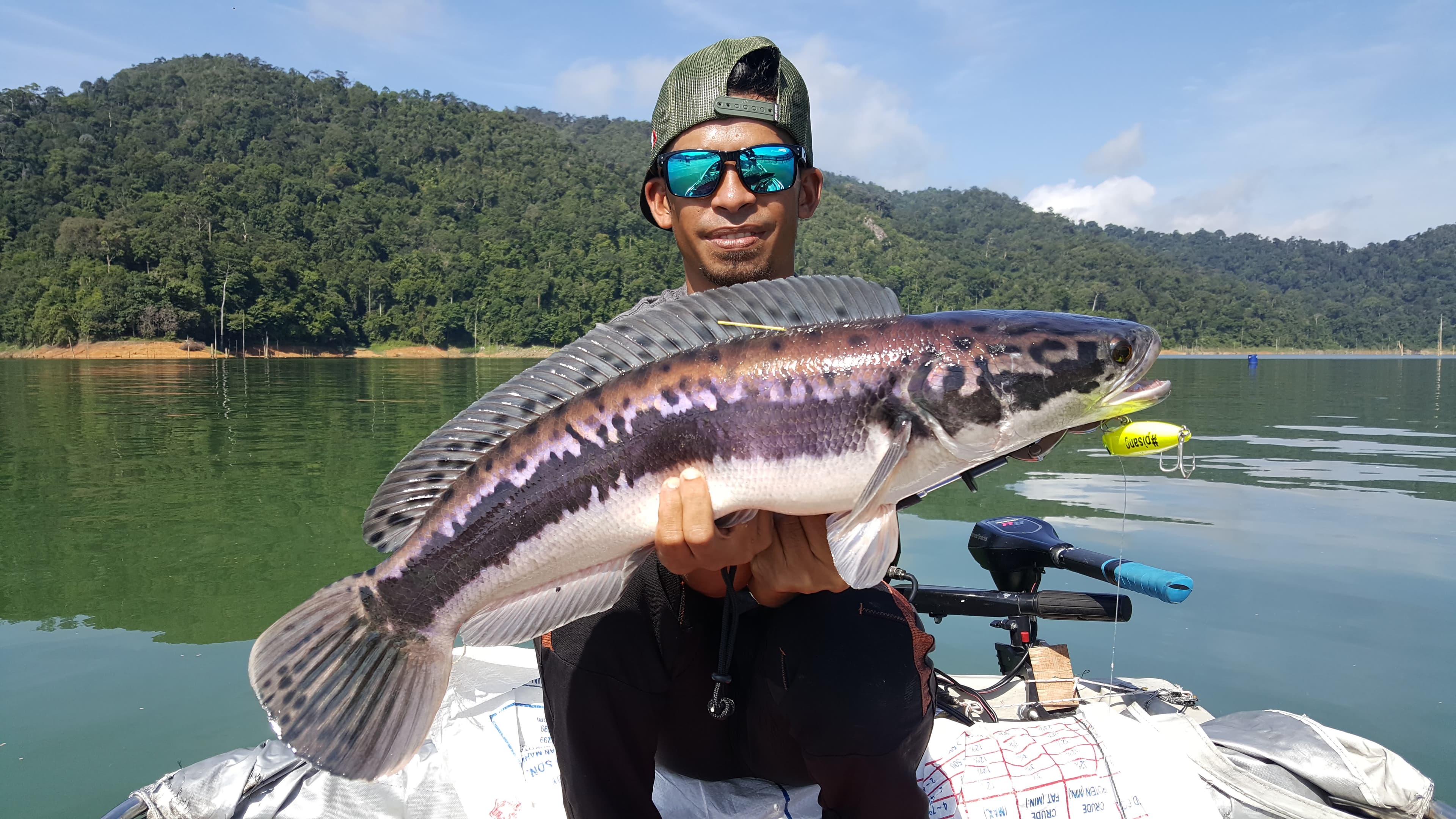
Native to the water systems across Southeast Asia, this species is well known for its aggressive nature when smashing lures or even baitfish. Catching one of these formidable species requires the highest skills, setups, and precision. It has garnered global attention both as a prized sport fish and a controversial invasive species in various parts of the world due to its adaptabilty en changing enviroment.
Proud to say that one IGFA world record is being recorded here in Malaysia. Shamsul Azmi Bin was fishing the waters of Rawang, Malaysia, landed an incredible 13.61-kilogram (30-pound) giant snakehead specimen, setting the IGFA All-Tackle World Record for the species as well as the IGFA Men’s 15-kg (30-lb) Line Class World Record for the species. The fish was caught on lure and safely released to its natural ecosystem.
Appearance and Size
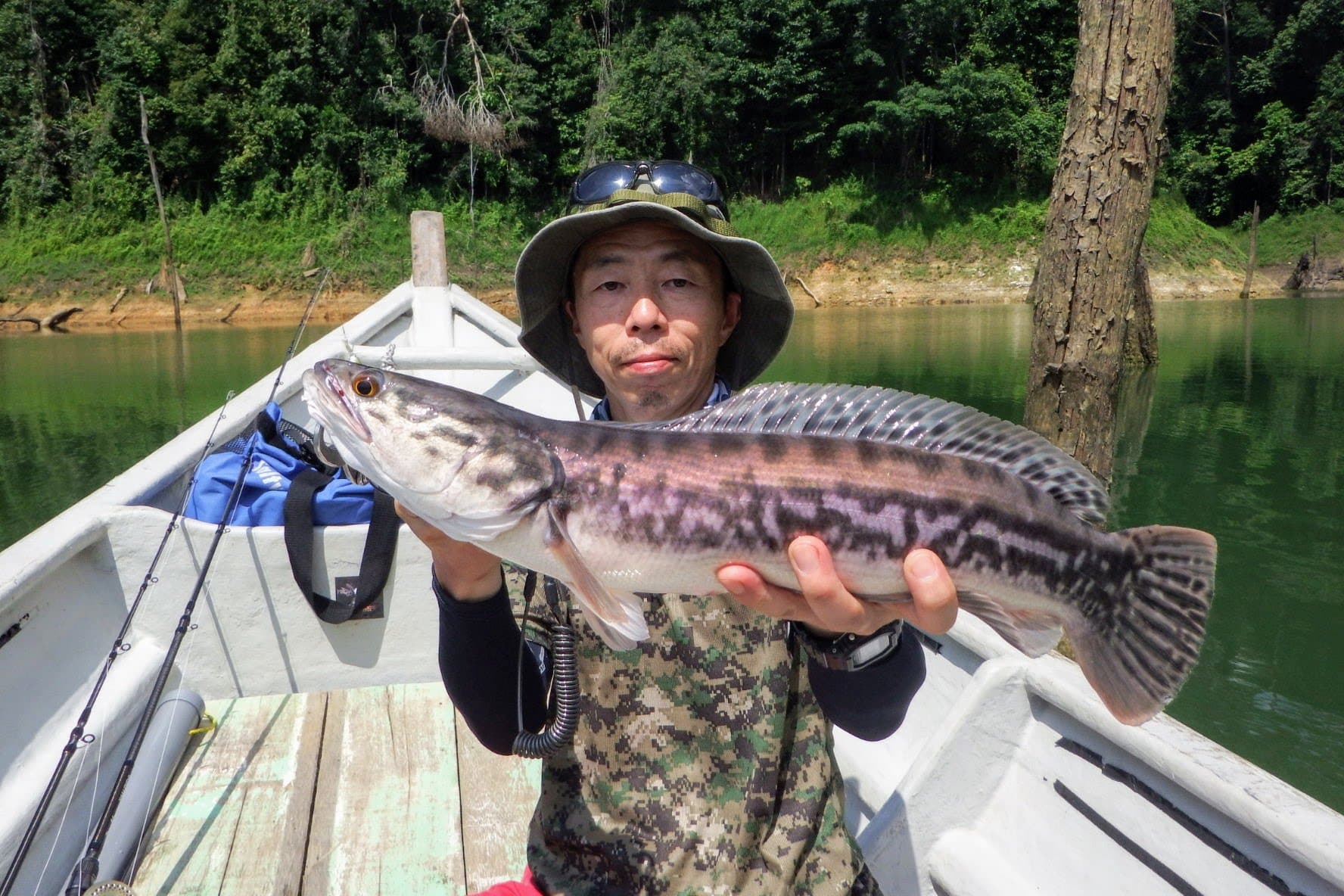
The giant snakehead is one of the largest members of the Channidae family. Adults typically exhibit a dark, torpedo-shaped body, often with a mottled pattern of black and grey, though coloration can vary. A distinguishing feature is its large mouth filled with sharp, canine-like teeth, indicative of its piscivorous diet. While average sizes range from 60 to 100 cm (2 to 3.3 feet), individuals have been reported to reach lengths of up to 1.5 meters (nearly 5 feet) and weights exceeding 20 kilograms (44 pounds).
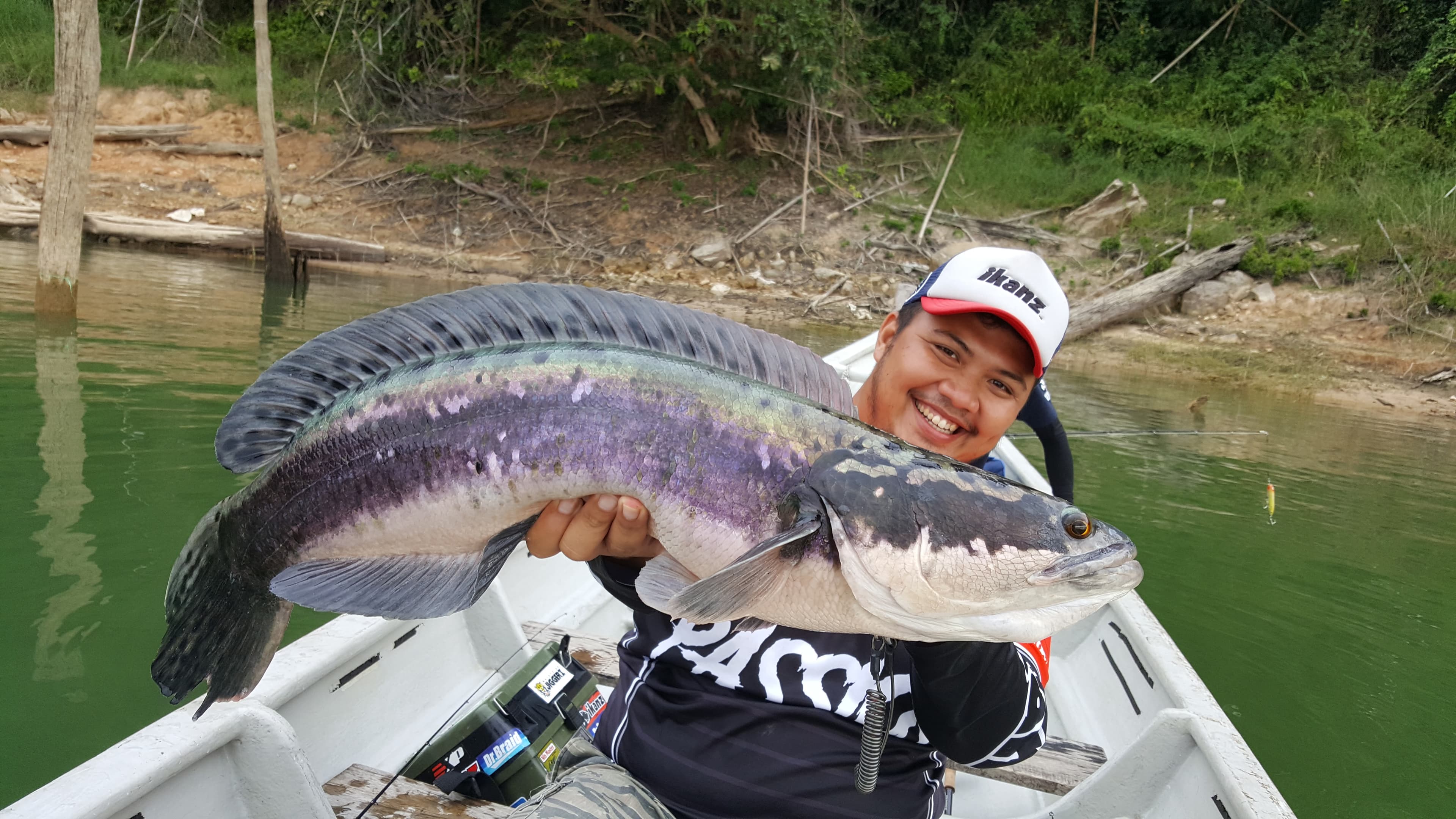
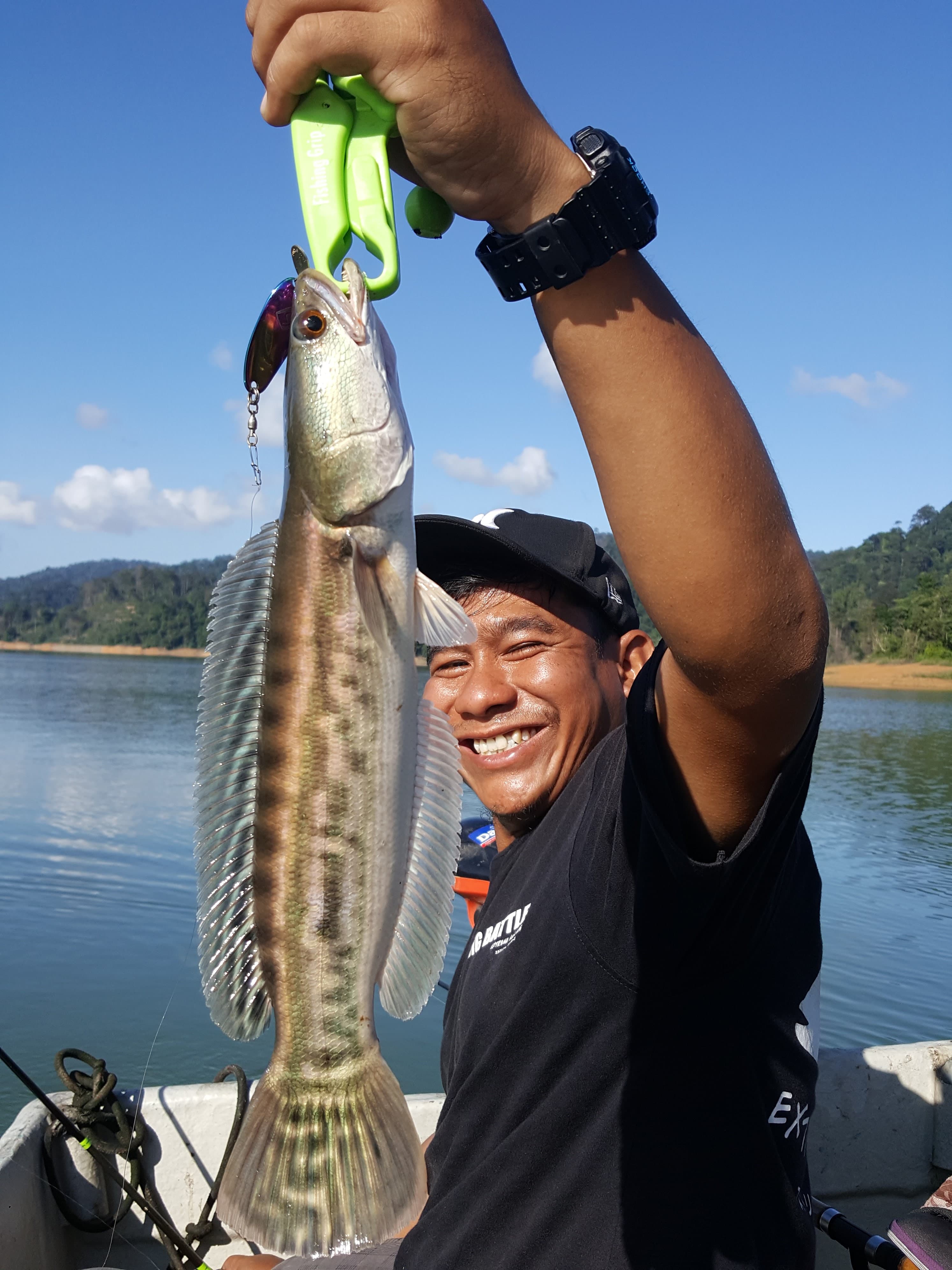
Juveniles, in stark contrast, are strikingly beautiful. They display bright green or purple bodies with prominent black lateral stripes, making them popular, albeit challenging, aquarium inhabitants when young. As they mature, this vibrant coloration fades to the more subdued adult patterning.
Habitat and Distribution
This species thrives in a variety of freshwater environments, including rivers, lakes, swamps, and reservoirs, preferring slow-moving or stagnant waters with ample vegetation for cover. Its native range encompasses countries such as Thailand, Malaysia, Indonesia, Vietnam, Laos, and parts of India.
Due to its popularity in the aquarium trade and as a food fish, it has been introduced, often with detrimental ecological consequences, to regions outside its natural distribution, including parts of the United States.
Diet and Predatory Behavior
The giant snakehead is an apex predator, primarily feeding on other fish. However, its diet can also include frogs, crustaceans, birds, and small mammals that venture too close to the water's edge. They are aggressive ambush predators, often lunging at prey with considerable speed and force. Their ability to breathe atmospheric oxygen via a suprabranchial organ allows them to survive in poorly oxygenated waters and even make short overland movements between water bodies.
This aggressive behavior as an apex predator has made them popular among lure anglers. There are a variety of lures that can be used to catch them, including topwater lures mimicking injured baitfish across structures or perfect ambush points. Sometimes, deep-diving crankbaits work well when waiting for the fish to surface for air. Buzzbaits or jump-frogs also work effectively in heavily covered areas of weeds where the fish await ambushing prey. Mastering the use of these diverse lures is key to successfully targeting this formidable species.
Reproduction and Behavior
Channa micropeltes are known to be highly territorial, especially during their breeding season. They are egg-layers and exhibit parental care, with both parents guarding their free-swimming fry. This protective behavior can make them particularly aggressive towards any perceived threats.
This intense defensive behavior has become a key tactic for experienced anglers. Fish in this protective mode are often more likely to strike lures, perceiving them as direct threats to their vulnerable young. While anglers do take advantage of this situation, and there are both pros and cons to this approach. The risks can be minimized as long as the fish is handled carefully and released quickly so it can return to guarding its offspring.
Ecological and Economic Significance
In its native range, the giant snakehead is an important food fish and is also sought after by anglers. However, where introduced, it can pose a significant threat to native fish populations due to its voracious appetite, rapid reproduction, and lack of natural predators. This has led to it being classified as an invasive species in several countries, with efforts made to control or eradicate its populations.
Natively, this species is a prominent contributor to sport fishing in Malaysia, especially among guided tour operators. Across Peninsular Malaysia, it helps fuel local economies, and its spillover effects are significant. Although the exact size of the market is not well documented, it should not be underestimated. This single species has the potential to either support or negatively impact local economies.
Fishyolgy Pro-Tip
Being successful in hunting Giant Snakehead (Toman) requires an in-depth understanding of how it thrives in its habitat, its predatory nature, and how to take advantage of the right season to catch it. Having this knowledge enables you to fish effectively across different seasons and situations, and to adapt the right techniques with the appropriate tools to get the most out of the fishing experience.
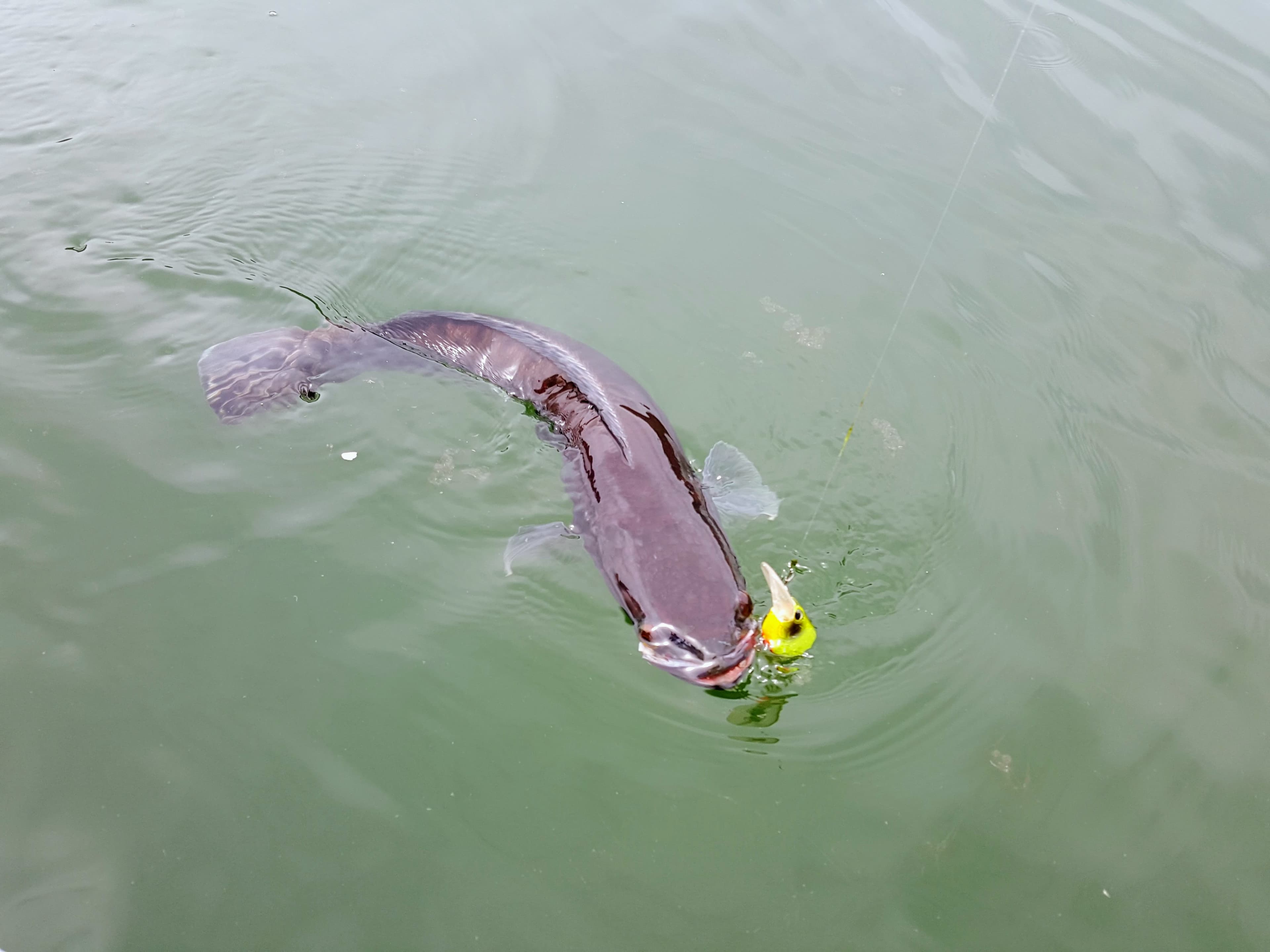
Mentally and physically, it is challenging and requires precision at every step. Malaysia is definitely one of the top spots in the world for this species, and over the past 10 years, we have experienced many happy and difficult moments while hunting them. It is important to respect this species to ensure its sustainability, as it contributes significantly to the local economy.
In conclusion, Channa micropeltes is a remarkable and powerful freshwater predator with a significant ecological role in its native habitat and a complex reputation globally. Its unique biological adaptations and striking appearance continue to fascinate and concern biologists, anglers, and aquarists alike, highlighting the ongoing need for sustainable practices to ensure its future as a valuable game fish species.
References:
- https://igfa.org/2023/04/28/world-records-for-april-2023/
- https://www.mybis.gov.my/sp/23456
