
Malaysia Game Fish Species Series: The Sebarau
One of Malaysia's top freshwater game fish species.
In the nutrient rich waterways of Peninsular Malaysia and the rugged interior of Borneo, the Sebarau, Hampala macrolepidota, occupies a celebrated and distinct ecological niche. While the Malaysian Mahseer is revered for its elusive mystique and deep cultural heritage, and the Giant Snakehead commands respect for its brute force and territorial aggression, the Sebarau stands apart as the true speedster of Southeast Asian freshwater systems.
As a pack hunting predator, it represents a unique evolutionary branch within the Cyprinidae family, combining the awareness and schooling intelligence of carp with explosive predatory instincts rarely seen in freshwater fish. This blend of traits makes it one of the most dynamic and exciting species available to anglers in the region.
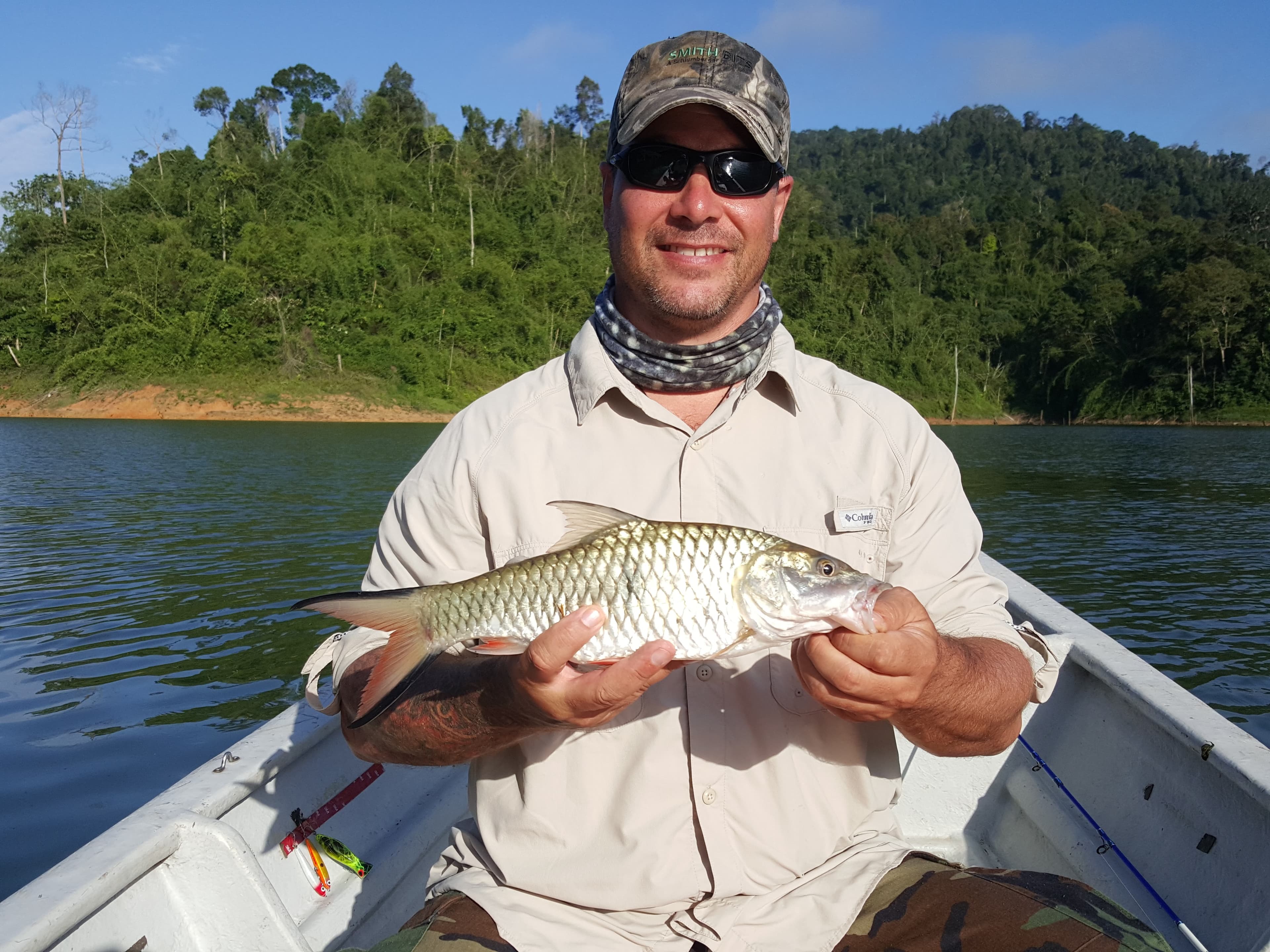
In many ways, its behaviour mirrors the Bass species such as Largemouth and Smallmouth Bass, although those species typically inhabit cooler environments. The Sebarau's aggressive feeding style and responsiveness to artificial lures make it exceptionally well suited for lure fishing. Beyond its sporting value, the species also serves as a critical bio indicator of river health. It thrives only in clean, well oxygenated systems where forest cover remains intact, helping regulate temperature and sediment levels. Its presence often signals a balanced and healthy ecosystem.
What makes the Sebarau even more remarkable is its adaptability. From fast flowing highland rivers to the deep, still waters of major impoundments such as Tasik Kenyir and Royal Belum, the species has demonstrated an impressive ability to adjust to environmental change. This resilience has allowed it to remain a dominant freshwater predator, while also becoming a key driver of Malaysia’s growing eco tourism and sport fishing industry.
Taxonomic Classification and Evolution
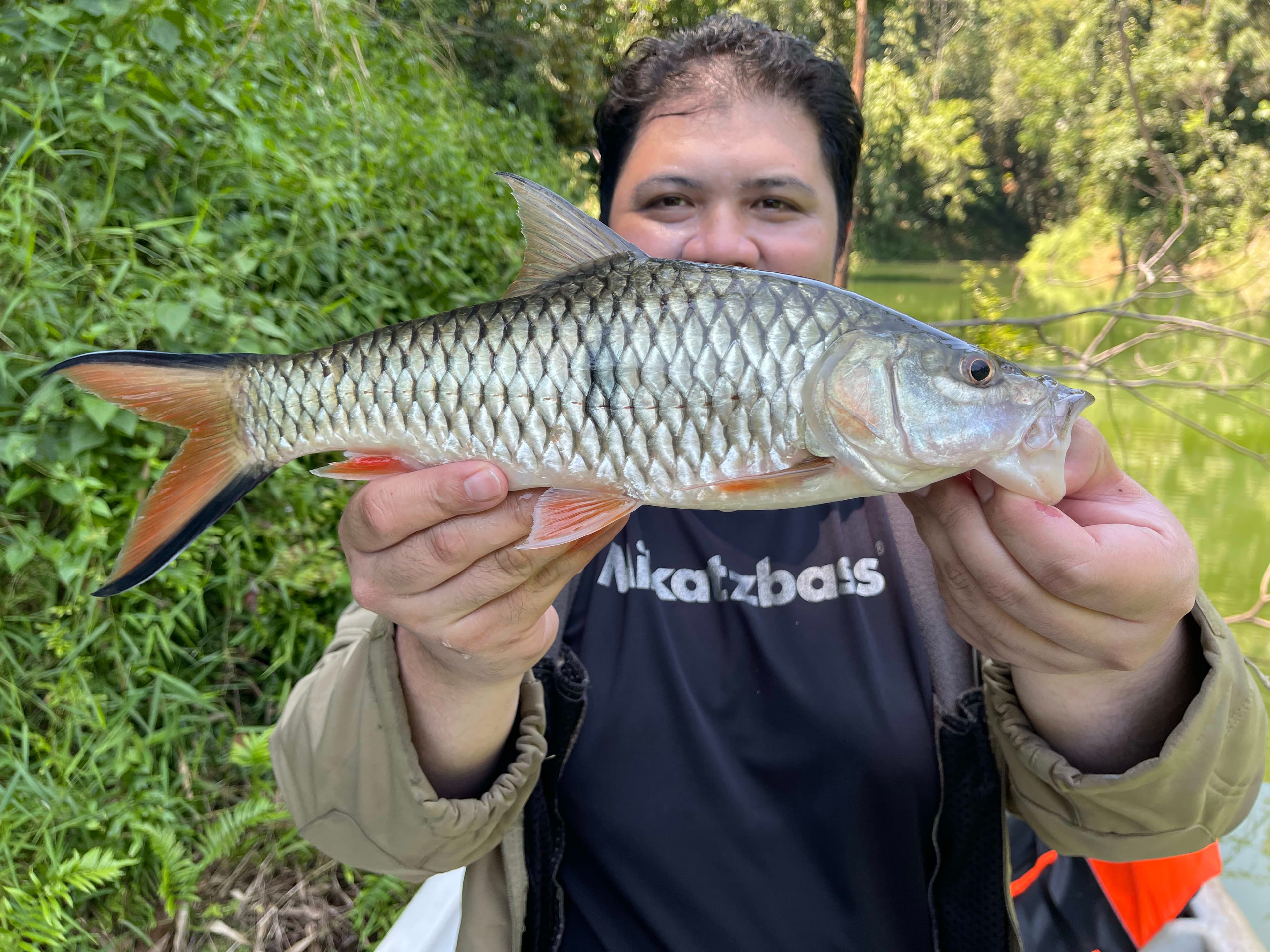
The Sebarau belongs to the family Cyprinidae, the largest family of freshwater fishes in the world, traditionally associated with carps and minnows. However, the genus Hampala represents a clear evolutionary shift toward active predation. Rather than bottom feeding, these fish occupy the mid water column as highly efficient hunters.
While Hampala macrolepidota is the most widespread species across Peninsular Malaysia, geographic isolation across the Sunda Shelf has led to the emergence of distinct regional variants. In Borneo, species such as Hampala sabana and Hampala bimaculata display unique morphological adaptations shaped by their specific river systems.
Morphological Architecture and Design
The Sebarau’s physical form is a study in hydrodynamic efficiency. Its fusiform and laterally compressed body minimizes drag, allowing it to hold position in strong currents with minimal energy expenditure. At the same time, this body structure enables rapid acceleration when striking prey.
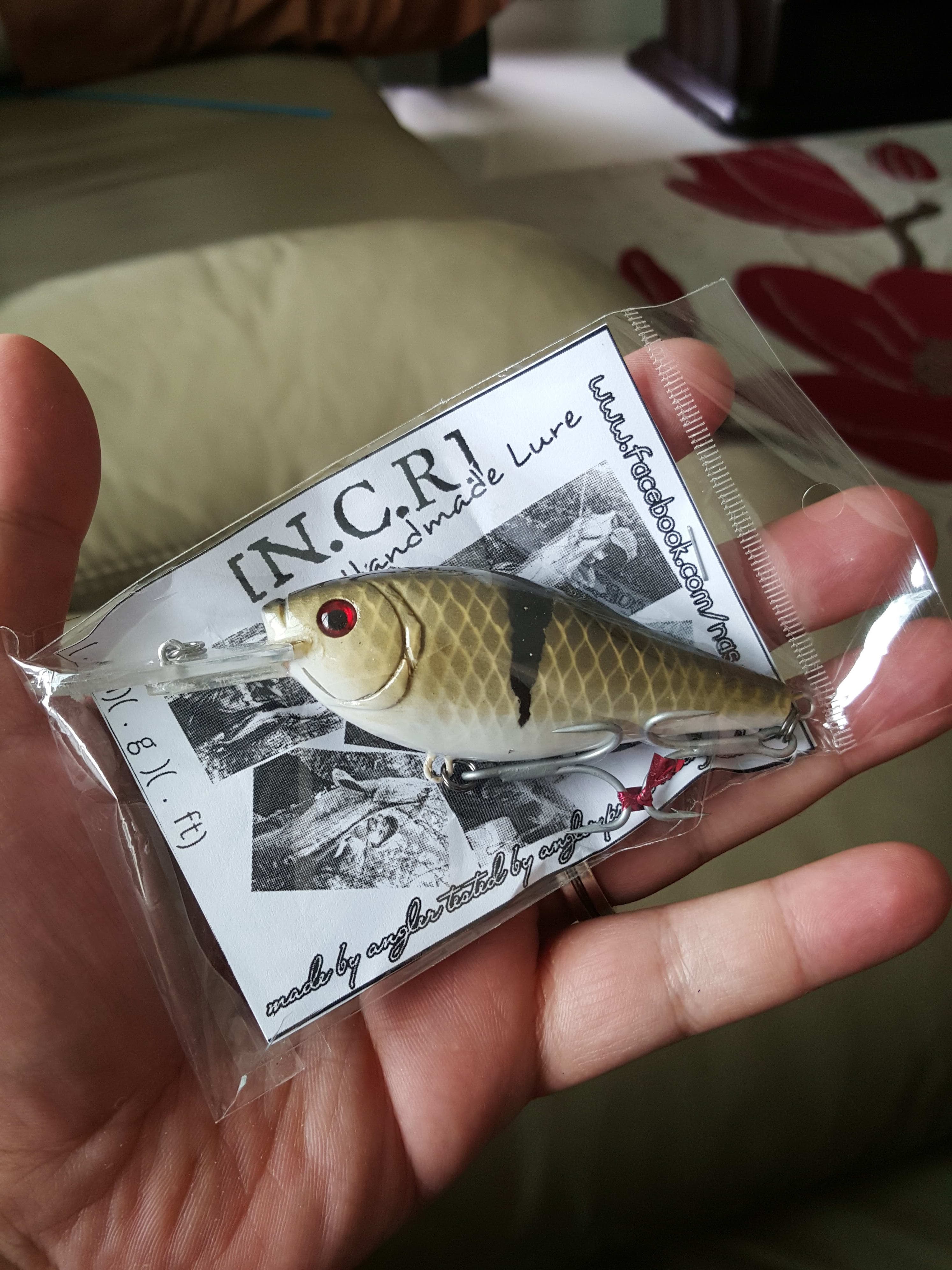
Its large, durable scales give rise to the name macrolepidota, and these scales reflect light in shades ranging from silver to golden brown. This shifting coloration provides effective camouflage through counter shading. A darker dorsal surface blends with the riverbed when viewed from above, while the reflective flanks mirror light from the surface when viewed from below.
A defining feature of the species is the bold black vertical bar located between the dorsal and pelvic fins. Juveniles often display additional markings, including a second bar near the tail and a teardrop marking on the cheek. These markings tend to fade as the fish matures, leaving the signature central bar. The deeply forked tail, edged with dark pigmentation, further enhances its swimming efficiency and speed.
"Read the water, pick the perfect lure, and hit your target spot—precision is what turns Sebarau into a bite!
"
— Pok Jan, Royal Belum Expert
Unlike solitary ambush predators, the Sebarau operates as a social hunter. It frequently moves in coordinated groups, herding baitfish into tight formations before striking. This behaviour creates dramatic surface disturbances often referred to by anglers as boiling activity, where multiple fish strike simultaneously. These feeding frenzies are most common during dawn and dusk, when reduced light conditions give the Sebarau a visual advantage.
Habitat Adaptability
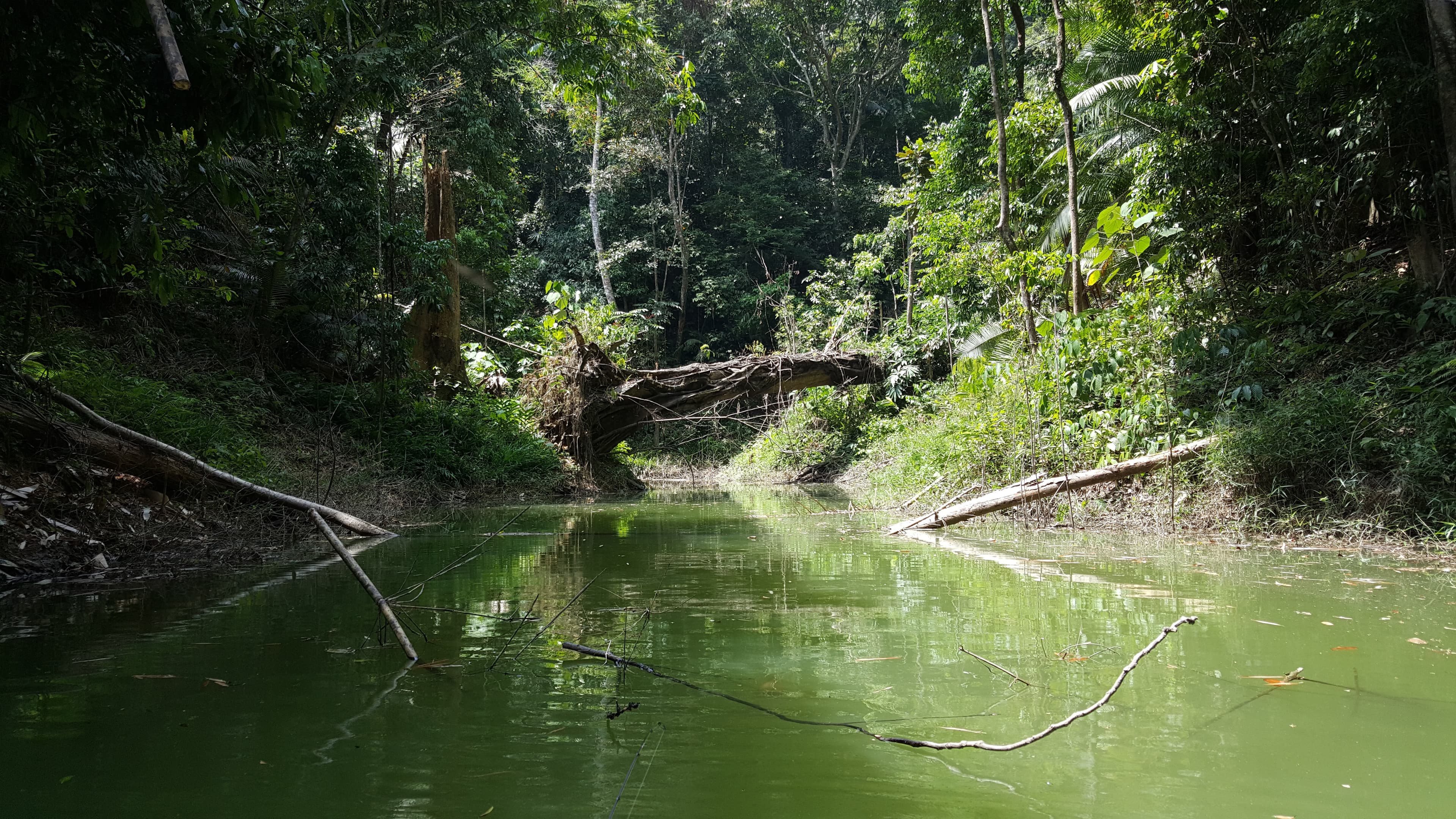
Historically a riverine species, the Sebarau prefers clear, fast flowing waters over sand, gravel, and rocky substrates. However, environmental changes brought about by hydroelectric development have reshaped its habitat. In large reservoirs such as Tasik Kenyir and Royal Belum, Sebarau have adapted by occupying transition zones where feeder streams enter the main body of water.
These zones provide a strategic balance of oxygen rich inflows and access to deeper, cooler refuge areas. This adaptability has ensured the species continues to thrive despite significant landscape transformation.
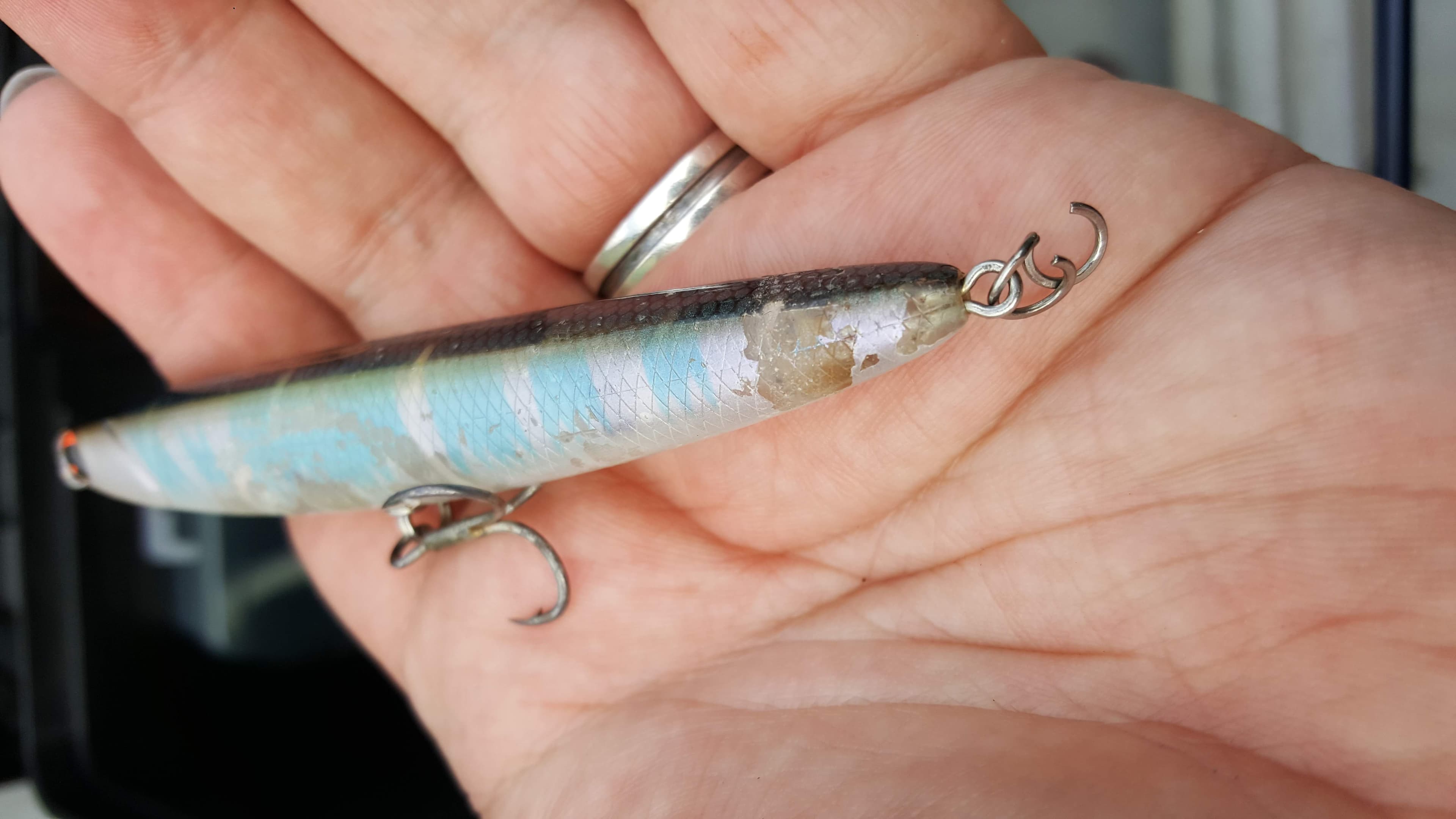
The Sebarau is especially prized for the sheer aggression of its strike. Its jaw structure is extremely hard, often compared to bone, and it relies on pharyngeal teeth located deeper in the throat rather than oral teeth. As a result, its strike is a powerful grab and turn motion. This force is capable of bending standard hooks, which is why experienced anglers often upgrade to stronger terminal tackle to handle the impact.
Economic Significance
From an economic perspective, the Sebarau plays a major role in Malaysia’s recreational fishing industry. Much like the Giant Snakehead has driven angling activity in certain regions, the Sebarau contributes significantly to freshwater sport fishing across the country.
However, its status as a prized food fish presents a growing challenge. While it is highly valued on the table, this also makes conservation efforts more difficult. In some areas, there are early signs of population decline due to fishing pressure. Strengthening catch and release practices and promoting sustainable angling will be essential to ensure that this iconic species remains part of Malaysia's natural heritage for generations to come.
Fishyolgy Pro-Tip
Success in targeting Sebarau is largely governed by water clarity and light penetration. The metal spoon remains one of the most reliable tools in an angler’s arsenal, as its wobbling action closely mimics a distressed baitfish. Silver and chrome finishes work best on bright, sunny days in clear water, while gold and copper finishes are more effective in cloudy conditions or stained water, where lower light wavelengths need to be reflected to trigger a strike.
A steady, fast retrieve with occasional jerks, mimicking a panicking small fish, offers a simple yet highly effective approach. Lures such as small sinking jerkbaits or minnows that imitate their natural prey are also excellent choices. For deeper sections or when trolling, deep diving lures such as Rapala Tail Dancers or DT series can be very productive.
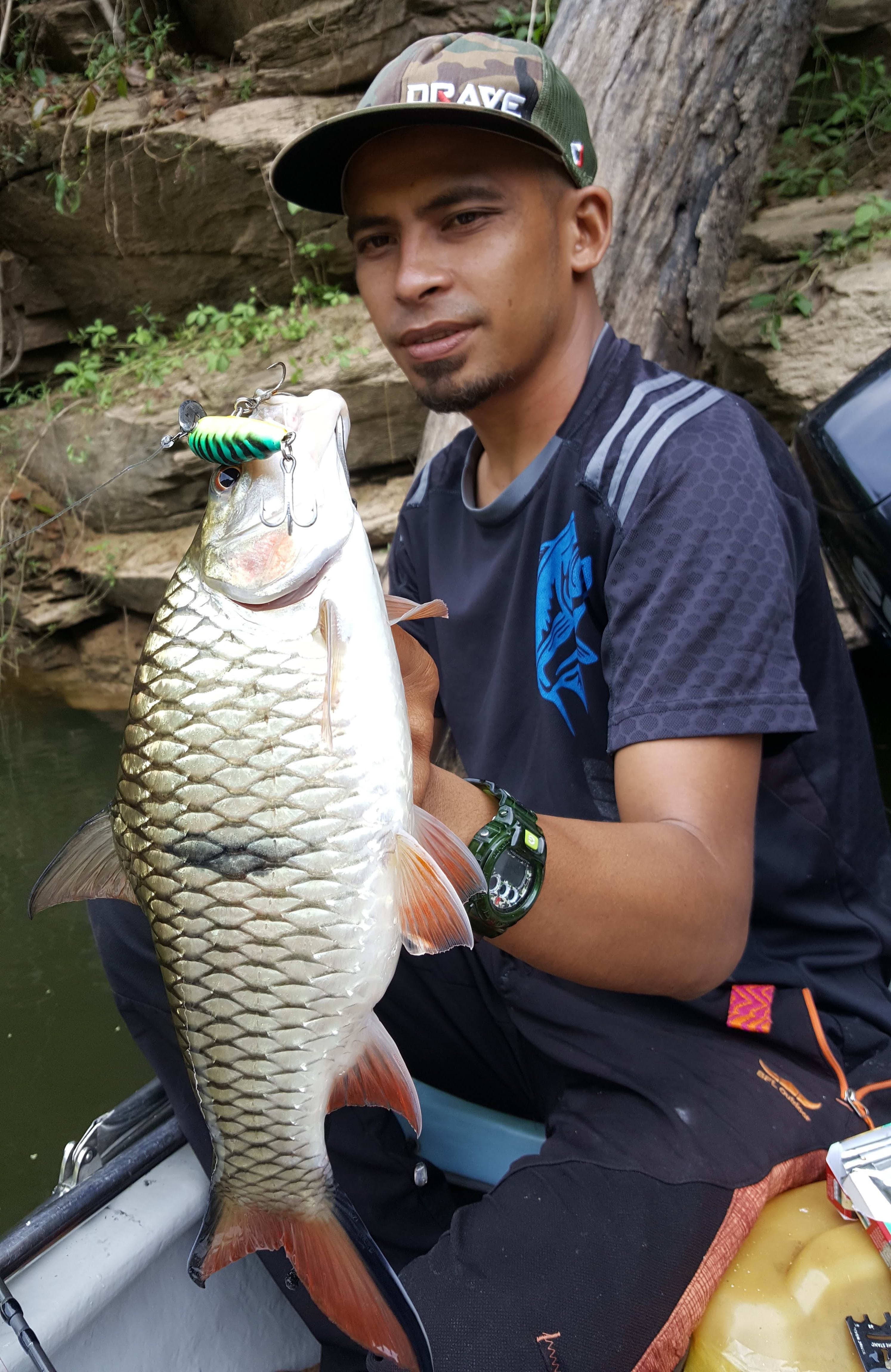
During periods of higher water levels, when submerged grasses create additional cover, topwater lures such as small poppers or pencils can produce explosive strikes. These presentations are particularly effective in drawing out fish that are lying in ambush within the vegetation.
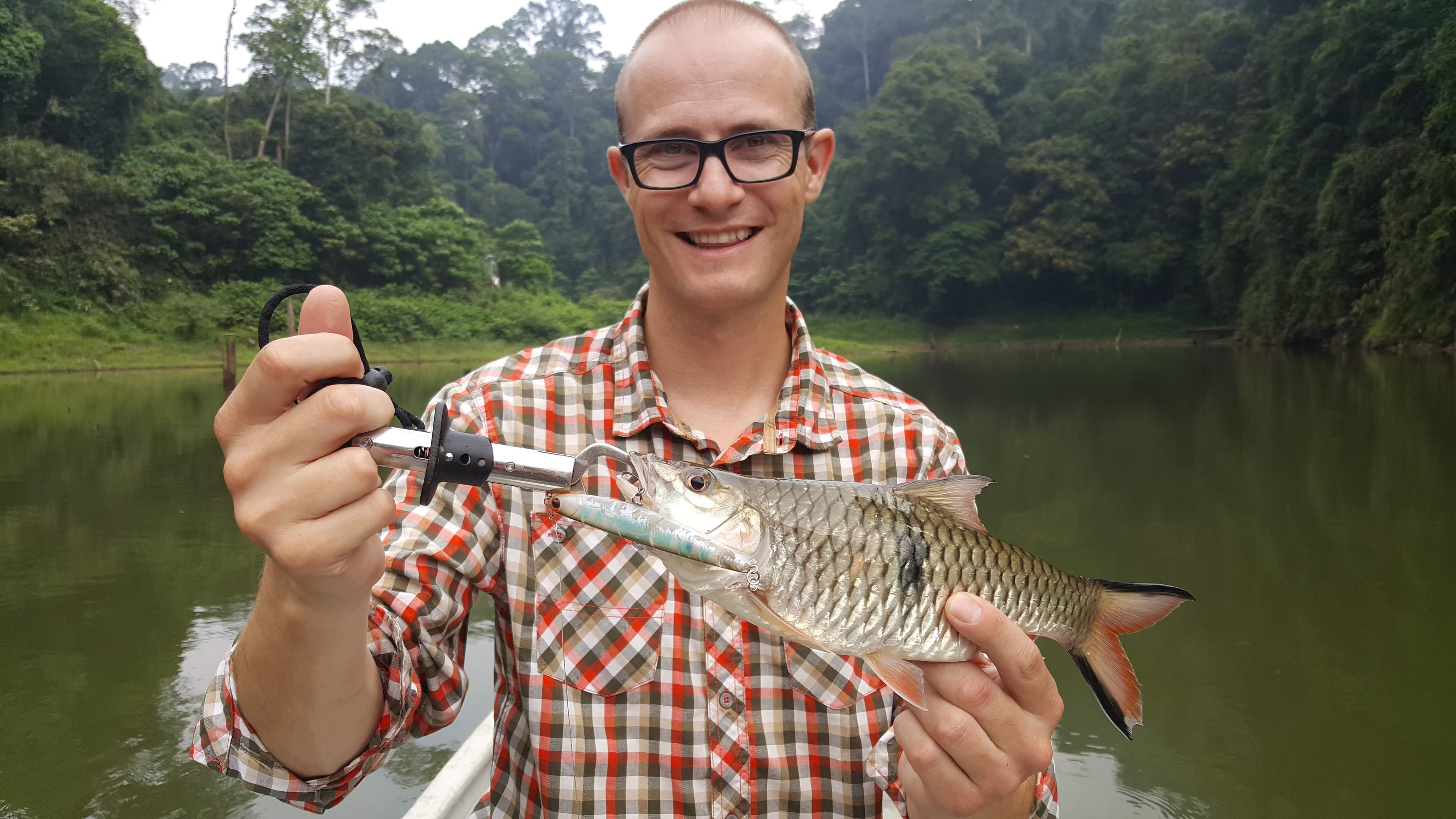
In conclusion, successful Sebarau fishing requires anglers to read the water and adapt their approach accordingly. This is what makes lure fishing so engaging. It is not simply a matter of casting and waiting. It demands observation, understanding, and experience. Each cast, retrieve, and pause carries intention, and every small adjustment can influence the outcome. That is the essence of the craft, and what makes it so deeply rewarding.
References:
- https://www.ecologyasia.com/verts/fishes/sebarau.html
- https://www.mybis.gov.my/sp/23744
